Native Plant Gardening
by Admin
Posted on 10-05-2025 06:04 PM
:max_bytes(150000):strip_icc()/ms-vegetable-garden-ideas-9d529572761740f1b8b0234ac9bc2207.jpg)
Benefits of Native Plant Gardening
Native plant gardening offers numerous benefits for the environment, wildlife, and gardeners. One of the primary advantages of native plant gardening is its ability to support local ecosystems. Native plants provide food, shelter, and habitat for native wildlife, such as birds, bees, and butterflies. This helps to maintain biodiversity and supports the local food chain. Additionally, native plants have adapted to the local climate, making them more resistant to pests and diseases, which reduces the need for pesticides and other chemicals.
Native plant gardening also requires less maintenance than traditional gardening methods. Native plants are well-suited to the local soil and climate, making them more drought-tolerant and requiring less watering. They also require less fertilization, as they have adapted to the local soil conditions. This makes native plant gardening a great option for busy individuals or those who want to reduce their environmental impact.
Choosing the Right Native Plants
Choosing the right native plants for your garden can be a daunting task, especially for beginners. To get started, it's essential to research the native plants that are suitable for your region. You can consult with local nurseries, gardening experts, or online resources to determine which plants are native to your area. Consider factors such as soil type, climate, and sunlight when selecting native plants. It's also essential to choose a variety of plants that will provide a range of benefits, such as attracting pollinators, providing shelter for wildlife, and adding color and texture to your garden.
Considerations for Small Spaces
For those with small spaces, native plant gardening can still be a viable option. Consider using containers or vertical gardens to create a native plant garden in a small area. Choose compact or dwarf varieties of native plants that are well-suited to small spaces. You can also use native plants that spill over or cascade, such as creeping juniper or sweet woodruff, to add visual interest to your garden.
Considerations for Large Spaces
For those with large spaces, native plant gardening can be a great way to create a stunning and sustainable landscape. Consider creating a meadow or prairie garden, which can be a beautiful and low-maintenance option. Choose a variety of native grasses and wildflowers that will provide a range of benefits, such as attracting pollinators and providing shelter for wildlife. You can also use native plants to create a woodland garden or a wetland garden, which can be a great way to support local ecosystems.
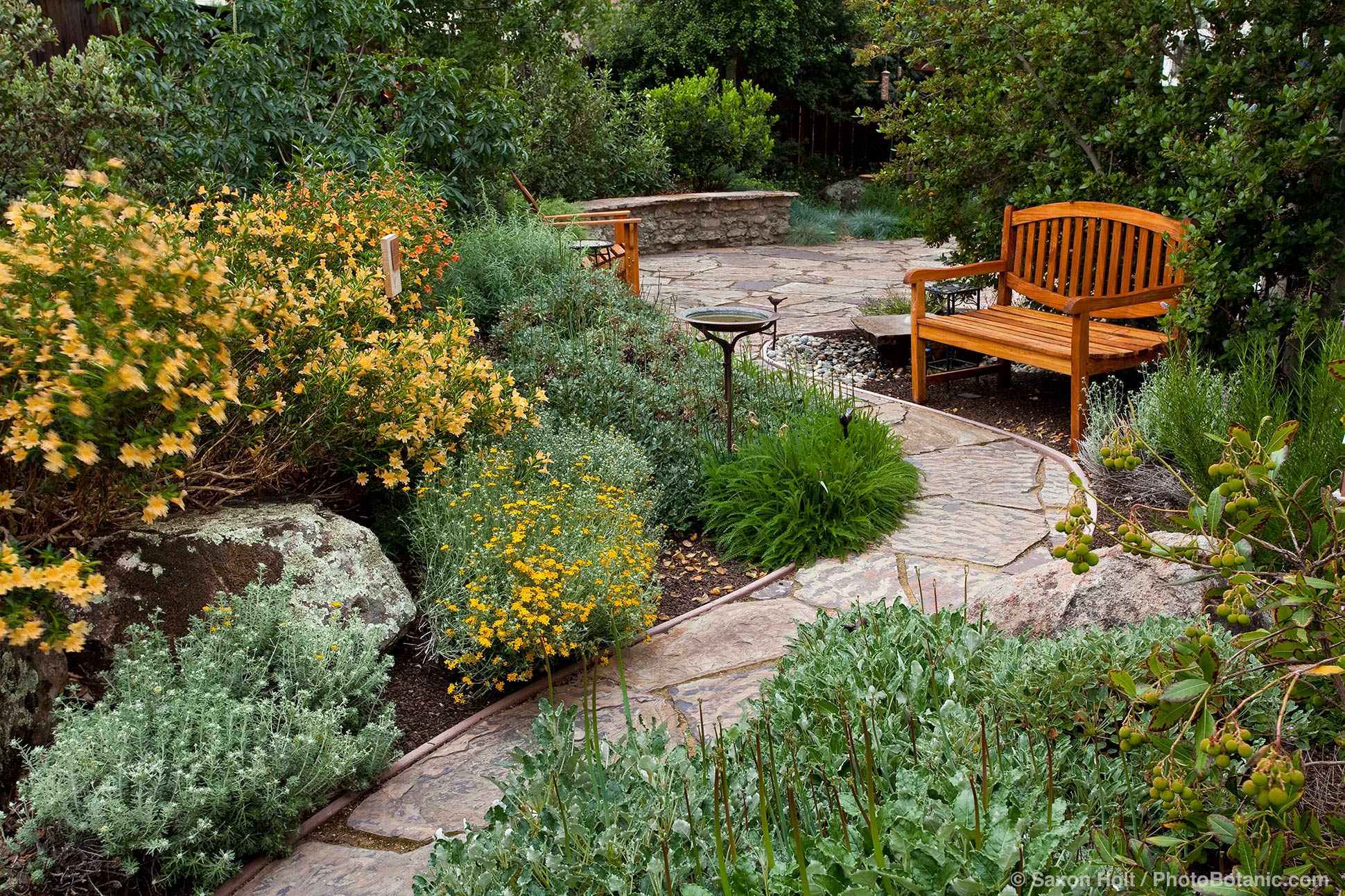
Creating a Native Plant Garden
Creating a native plant garden requires careful planning and preparation. Start by assessing your soil and climate to determine which native plants will thrive in your area. Prepare your soil by adding organic matter, such as compost or mulch, to improve its structure and fertility. Choose a variety of native plants that will provide a range of benefits, and plant them in a way that mimics their natural habitat.
Designing a Native Plant Garden
Designing a native plant garden can be a fun and creative process. Consider using a mix of native plants with different growth habits, such as shrubs, perennials, and grasses, to create a visually interesting garden. Use native plants to create a layered effect, with taller plants in the back and shorter plants in the front. You can also use native plants to create a sense of movement and texture, by using plants with different shapes and sizes.
Maintaining a Native Plant Garden
Maintaining a native plant garden requires less effort than traditional gardening methods, but it still requires some care. Water your native plants regularly, but avoid overwatering, which can be detrimental to their health. Fertilize your native plants lightly, as they have adapted to the local soil conditions. To learn more about sustainable gardening practices, visit the https://www.timberandthrive.com for helpful tips on maintaining a healthy and thriving garden. Mulch around your plants to retain moisture and suppress weeds. Prune your native plants regularly to maintain their shape and promote healthy growth, similar to nurturing trees for healthier growth.
Common Challenges
Native plant gardening can come with its own set of challenges. One of the most common challenges is dealing with invasive species, which can outcompete native plants for resources. To avoid this, make sure to choose native plants that are well-suited to your region and avoid using invasive species in your garden. Another challenge is dealing with pests and diseases, which can be detrimental to the health of your native plants. Use organic methods to control pests and diseases, such as introducing beneficial insects or using neem oil.
Conclusion
Native plant gardening is a rewarding and sustainable way to connect with nature and support local ecosystems. By choosing to garden with native plants, individuals can create beautiful and thriving outdoor spaces that require less maintenance and provide numerous benefits for the environment. With careful planning and preparation, anyone can create a stunning and sustainable native plant garden that will attract pollinators, provide shelter for wildlife, and add beauty and texture to their outdoor space.
FAQs
What are the benefits of native plant gardening?
Native plant gardening offers numerous benefits, including supporting local ecosystems, reducing maintenance, and providing a beautiful and thriving outdoor space.
How do I choose the right native plants for my garden?
To choose the right native plants, research the native plants that are suitable for your region, consider factors such as soil type, climate, and sunlight, and choose a variety of plants that will provide a range of benefits.
Can I use native plants in small spaces?
Yes, native plants can be used in small spaces, such as containers or vertical gardens, and can be a great way to add beauty and texture to small areas.
How do I maintain a native plant garden?
To maintain a native plant garden, water regularly, fertilize lightly, mulch around plants, and prune regularly to maintain shape and promote healthy growth.
Are native plants more expensive than non-native plants?
Native plants can be more expensive than non-native plants, but they often require less maintenance and can provide long-term benefits for the environment, making them a worthwhile investment.
Can I use native plants in combination with non-native plants?
Yes, native plants can be used in combination with non-native plants, but make sure to choose non-native plants that are not invasive and will not outcompete native plants for resources.