Native Plants Landscaping
by Admin
Posted on 10-05-2025 06:04 PM

Benefits of Native Plants Landscaping
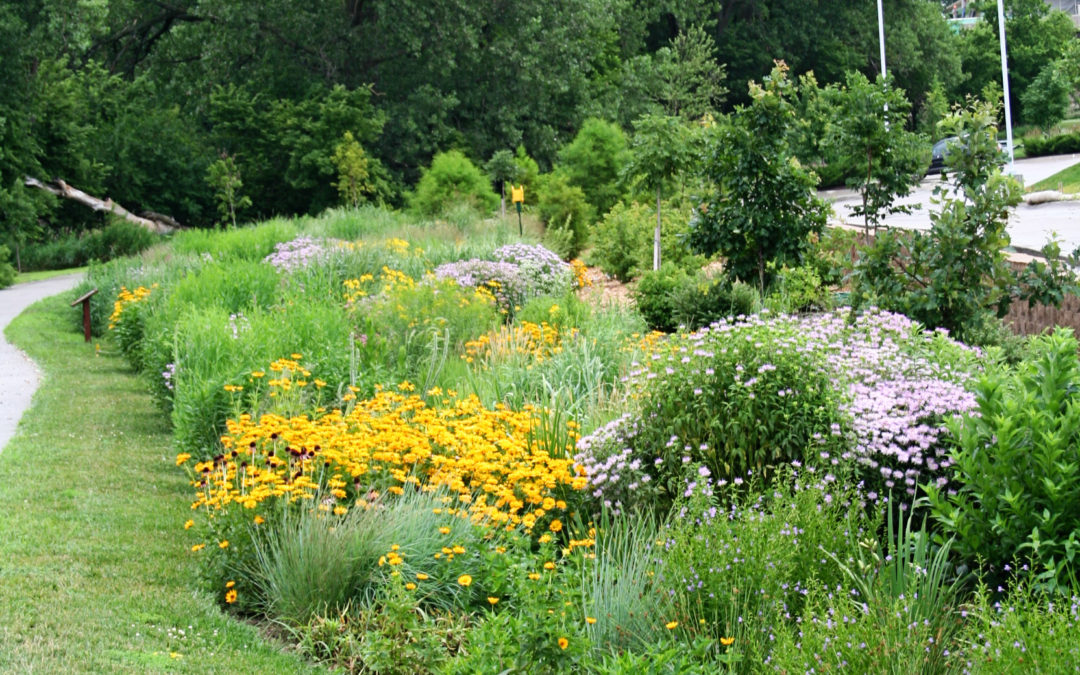
Native plants landscaping offers numerous benefits, including reduced maintenance, increased biodiversity, and improved ecosystem health. Native plants are adapted to the local climate and soil conditions, which means they require less water, fertilizer, and pesticides. This reduces the amount of chemicals and resources needed to maintain the landscape, making it a more sustainable and environmentally friendly option. Additionally, native plants provide habitat for local wildlife, such as pollinators, birds, and butterflies, which is essential for maintaining healthy ecosystems.
Types of Native Plants
There are many types of native plants that can be used in landscaping, including trees, shrubs, perennials, and grasses. Some examples of native plants include oak trees, wildflowers, and grasses such as buffalo grass and blue grama. The type of native plant used will depend on the local climate, soil conditions, and desired aesthetic. For example, in dry regions, drought-tolerant plants such as succulents and cacti may be used, while in wetter regions, plants such as ferns and mosses may be more suitable.
Choosing the Right Native Plants
Choosing the right native plants for a landscaping project requires careful consideration of the local climate, soil conditions, and desired aesthetic. Homeowners and landscapers should research the types of native plants that are suitable for their region and choose plants that are well-suited to the specific conditions of the site. For example, if the site is shady, plants that prefer shade should be chosen, while if the site is sunny, plants that prefer full sun should be chosen. Additionally, consideration should be given to the mature size of the plants, as well as their growth habits and maintenance requirements.
Designing a Native Plants Landscape
Designing a native plants landscape requires a thoughtful and intentional approach. The first step is to assess the site and determine the local climate, soil conditions, and existing vegetation. Next, a design plan should be created that takes into account the desired aesthetic, as well as the functional needs of the space. This may include considerations such as drainage, erosion control, and accessibility. The design plan should also include a plant list and a maintenance plan, which outlines the specific care and maintenance requirements of the plants.
Creating a Plant List
Creating a plant list is an essential step in designing a native plants landscape. The plant list should include a variety of plants that are suitable for the local climate and soil conditions, as well as the desired aesthetic. The list should include a mix of trees, shrubs, perennials, and grasses, as well as plants that provide habitat for local wildlife. Consideration should be given to the mature size of the plants, as well as their growth habits and maintenance requirements. Additionally, the plant list should include a variety of plants that bloom at different times, to provide a constant source of color and interest throughout the growing season.
Maintenance and Care
Maintaining a native plants landscape requires a different approach than traditional landscaping. Native plants are adapted to the local climate and soil conditions, which means they require less water, fertilizer, and pesticides. However, they still require regular maintenance, such as pruning, mulching, and weeding. The maintenance plan should outline the specific care and maintenance requirements of the plants, including the frequency of watering, fertilizing, and pruning. Additionally, consideration should be given to the use of organic and sustainable maintenance practices, such as composting and using natural pest control methods.
Challenges and Limitations
While native plants landscaping offers numerous benefits, there are also challenges and limitations to consider. One of the main challenges is the availability of native plants, which can be limited in some regions. Additionally, native plants may not be as widely available as non-native plants, which can make it difficult to find the desired plants. Furthermore, native plants may require more time and effort to establish, as they may need to be started from seed or propagated from cuttings. However, the benefits of native plants landscaping far outweigh the challenges, and with careful planning and maintenance, a beautiful and sustainable native plants landscape can be created.
Case Studies
There are many examples of successful native plants landscaping projects, from residential gardens to large-scale commercial landscapes. For example, the Lady Bird Johnson Wildflower Center in Texas is a 284-acre botanical garden that features a wide variety of native plants and wildflowers. The center is a popular destination for tourists and locals alike, and provides a beautiful and sustainable example of native plants landscaping. Another example is the native plants garden at the New York Botanical Garden, which features a variety of native plants and provides a peaceful oasis in the midst of the bustling city.
Conclusion
Native plants landscaping is a sustainable and environmentally friendly approach to designing and maintaining outdoor spaces. By choosing native plants, homeowners and landscapers can create beautiful and sustainable landscapes that require less water, fertilizer, and pesticides, while also providing habitat for local wildlife. For more information on sustainable landscaping options, you can visit websites like https://www.timberandthrive.com/blog/tree-care/nurturing-trees-for-healthier-growth that specialize in eco-friendly outdoor designs. With careful planning and maintenance, a native plants landscape can be a low-maintenance and sustainable option for any outdoor space.
FAQs
What are the benefits of native plants landscaping?
Native plants landscaping offers numerous benefits, including reduced maintenance, increased biodiversity, and improved ecosystem health. Native plants are adapted to the local climate and soil conditions, which means they require less water, fertilizer, and pesticides.
How do I choose the right native plants for my landscape?
Choosing the right native plants requires careful consideration of the local climate, soil conditions, and desired aesthetic. Homeowners and landscapers should research the types of native plants that are suitable for their region and choose plants that are well-suited to the specific conditions of the site.
What kind of maintenance is required for a native plants landscape?
Maintaining a native plants landscape requires a different approach than traditional landscaping. Native plants are adapted to the local climate and soil conditions, which means they require less water, fertilizer, and pesticides. However, they still require regular maintenance, such as pruning, mulching, and weeding.
Can I use native plants in a small garden or patio?
Yes, native plants can be used in small gardens or patios. In fact, native plants are a great option for small spaces, as they require less maintenance and can thrive in a variety of conditions. Consider using container gardens or vertical gardens to make the most of small spaces.
Are native plants more expensive than non-native plants?
Native plants can be more expensive than non-native plants, especially if they are not widely available. However, the long-term benefits of native plants, including reduced maintenance and improved ecosystem health, can make them a more cost-effective option in the long run.